top of page
WHAT IS UVEITIS?
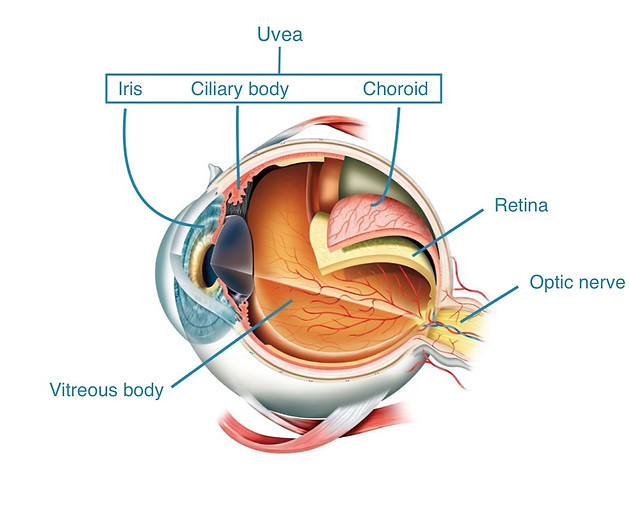

One of the criteria used to classify uveitis is according to the anatomical location of the inflammation. The inflammation may occur in one or both eyes.
Classification of uveitis according to the inflamed area:
-
Anterior uveitis - affects the iris and ciliary body
-
Intermediate uveitis - affects the vitreous, ciliary body and the periphery of the retina
-
Posterior uveitis - affects the choroid and retina
-
Panuveitis - affects all three layers of the uvea (iris, ciliary body, and choroid)
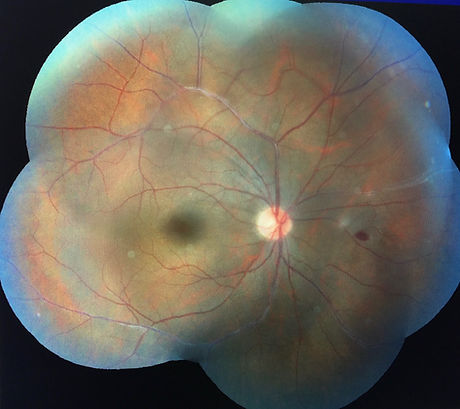
Uveitis may be caused by a number of reasons and its clinical manifestation is very different in each patient. The most important step, before starting treatment, is to classify it as: infectious or non-infectious. Infectious uveitis may be caused by a virus, bacteria, fungus, or parasite. However, if no infection is present, uveitis is classified as non-infectious. Fortunately, there are multiple medications available to treat uveitis. Your doctor will choose the most appropriate treatment, according to your case and needs.
Uveitis is a type of inflammatory eye disease that primarily affects the layer of the eye called the "uvea." This layer is composed of three ocular structures: iris, ciliary body, and choroid. Sometimes the inflammation may spread to other structures of the eye such as the retina, the optic nerve or the vitreous body.
bottom of page